
The Oldest Trick in Branding: give your brand whiskers, paws and a personality.
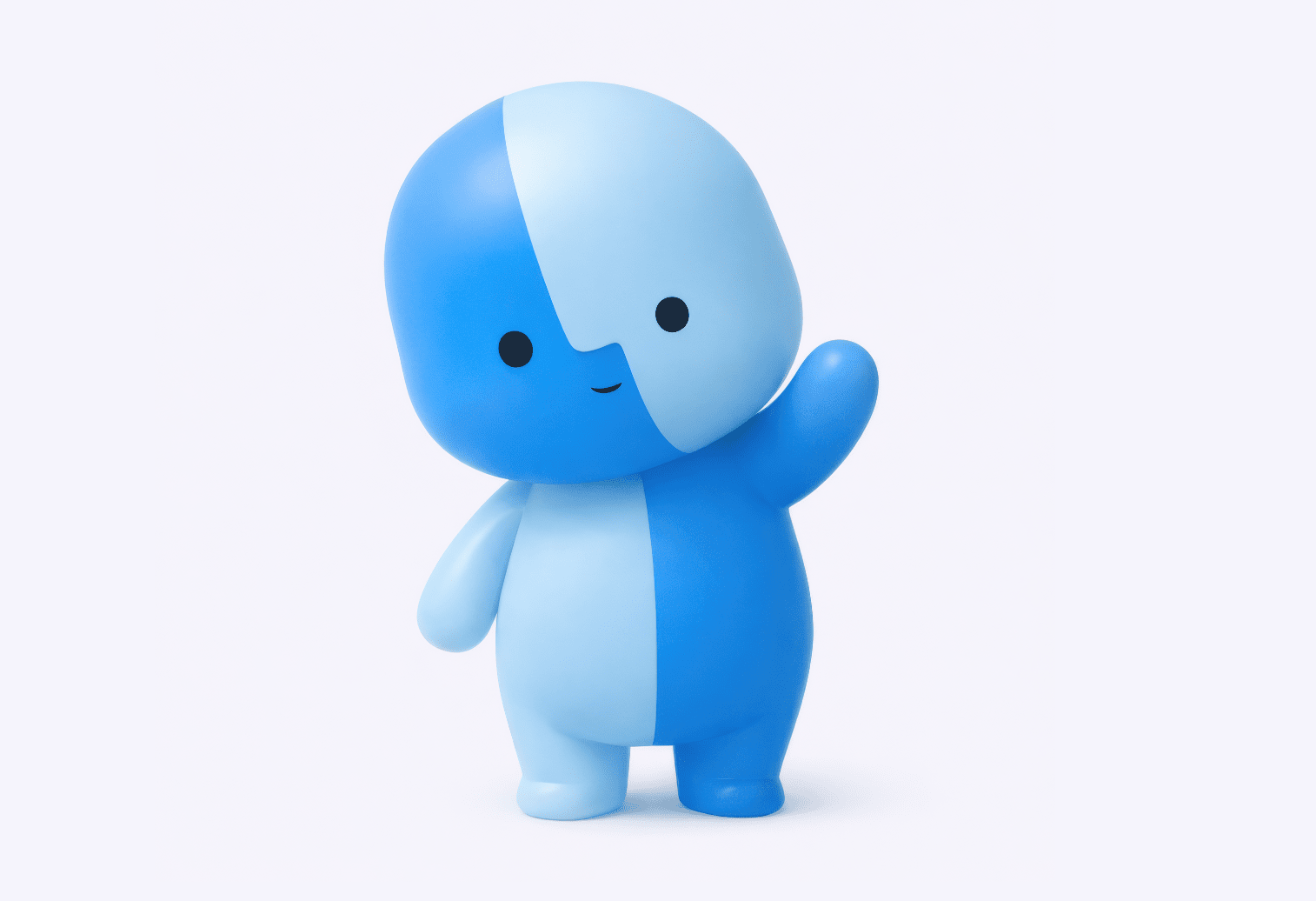
Two weeks ago, Apple introduced Lil Finder Guy to the world. A cute, anthropomorphic character based on the Finder icon that has sat inside macOS since 1984. Now with legs, a personality, and a miniature matcha drink, he dropped into a TikTok livestream for the MacBook Neo launch.
The internet promptly lost its mind. Fan art. 3D-printed figurines. Demands for merchandise. Over a million views on fan-created content within days.
Some people called it an accident. A charming Easter egg that Apple didn’t quite intend. But Apple does nothing without intention. Lil Finder Guy appearing in a TikTok campaign specifically targeting Gen Z and Gen Alpha, for a budget Mac designed to bring a whole new generation into the Apple ecosystem, is a deliberate, strategic move. They’ve had that character sitting in their OS for forty years and realized he’s an asset.
All this confirms something I’ve always believed: brand mascots are one of the most powerful tools in marketing. They just fell out of fashion a bit.
Most marketing spend is wasted.
There’s a brilliant research study from IPSOS and JKR, across 523 brands and 26,000 respondents. It shows that every year, $4 trillion is spent on marketing globally and 85% of it on branded assets nobody will remember.
Not because all the marketing is awful (although I bet a lot of it is). But chiefly because it fails at two things: the communication doesn’t stand out, and is not clearly linked back to the brand that paid for it!
Apparently, only 15% of brand assets ever reach “gold” status: truly distinctive and correctly attributed. The rest either blur into the background or, worse, get remembered but credited to a competitor.
And that dear reader, is one of my greatest pet peeves: misattribution. And it is one of the most expensive and least talked-about problems in marketing.
A well-built brand mascot solves both problems simultaneously. It stands out by definition, there is nothing else like it in your category. And if properly done it is attributed back because it is uniquely and entirely yours.
Campaigns using a brand character are three times more likely to report distinctiveness gains and twice as likely to report profit growth. Ads featuring a character are 2.2x more likely to achieve strong brand recognition, versus just 1.2x for celebrity endorsements. Research from Design Week: mascots can increase profits and emotional connection by up to 41%.
Brand mascots have always been powerful. The world is just remembering.
Nerdery from a young age…
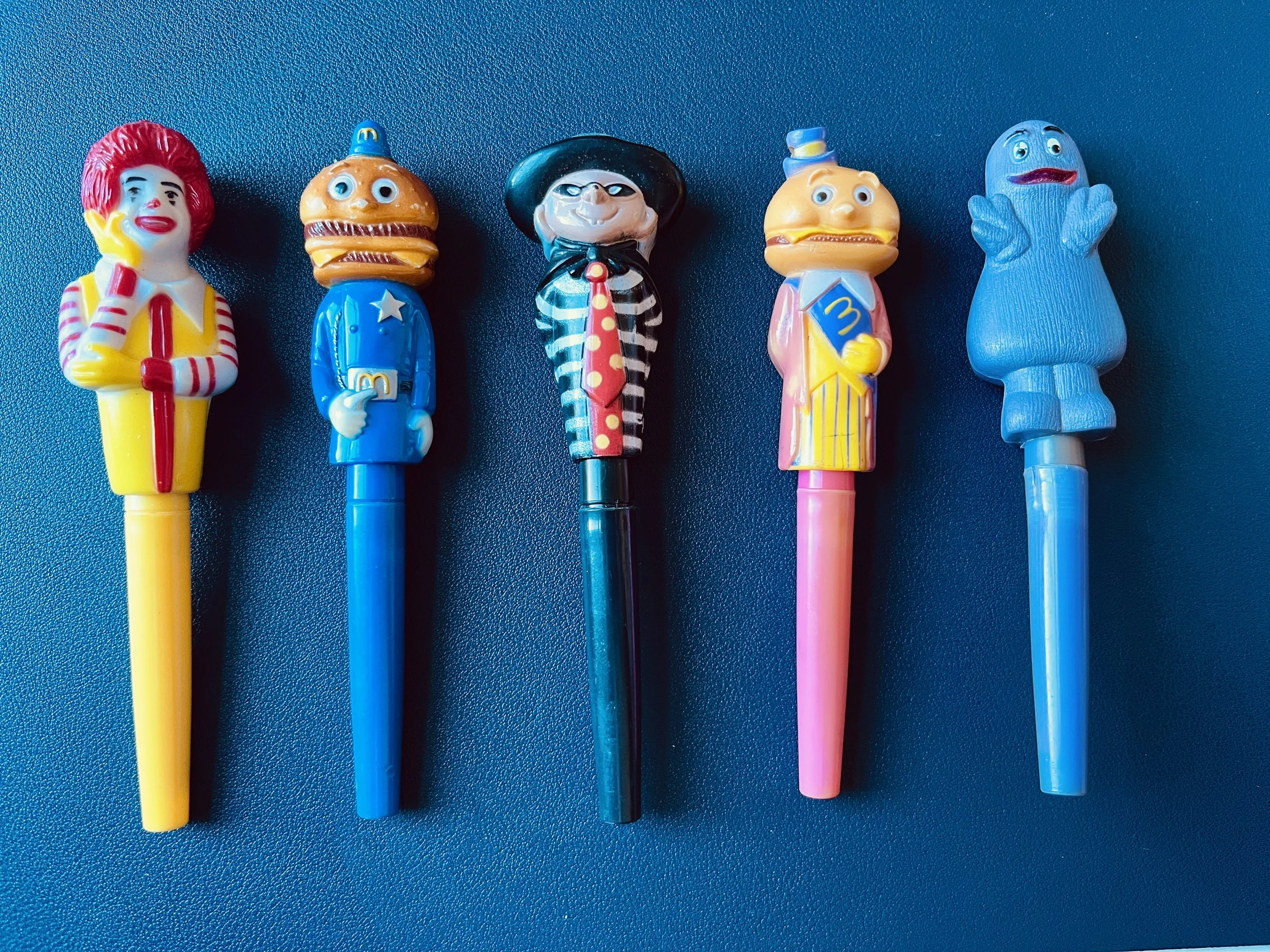
I’ll admit it. I have always had somewhat nerdy obsessions and hobbies. In the 1980s some of the greatest mascots appeared. As a young kid collecting every single McDonald’s character pen was a sacred, solum duty.
Grimace. The Hamburglar. Mayor McCheese, I have them all. We’ve lived in different cities, counties and continents and these are still with me, forty-odd years later.
That’s not sentiment. That’s proof of concept (and a fairly big dollop of undiagnosed neurodiversity).

Bruce is advertising boiler repair services
Since then, I’ve had the privilege of working on lovable brand characters across my career. Characters that take on their own life and identity, helping people form new bonds with a brand.
Recently I helped create “Bruce” for ScottishPower, a brand that had both brand distinctiveness and reputational challenges. That’s precisely what made it interesting strategically to use a mascot.
Bruce wasn’t deployed to make a popular brand more popular. He was asked to do something harder: shift how people felt about an energy company people tolerated or had been let down by. And harder still, to signal transformation, to a brand genuinely committed to greener living. A green, cheery Scottish butterfly, it turns out, is a pretty good symbol for that.
It worked because a character can carry emotion that a logo, a tagline, or ad simply cannot.
The Hall of Fame
The best brand mascots aren’t just memorable, they become culturally embedded.
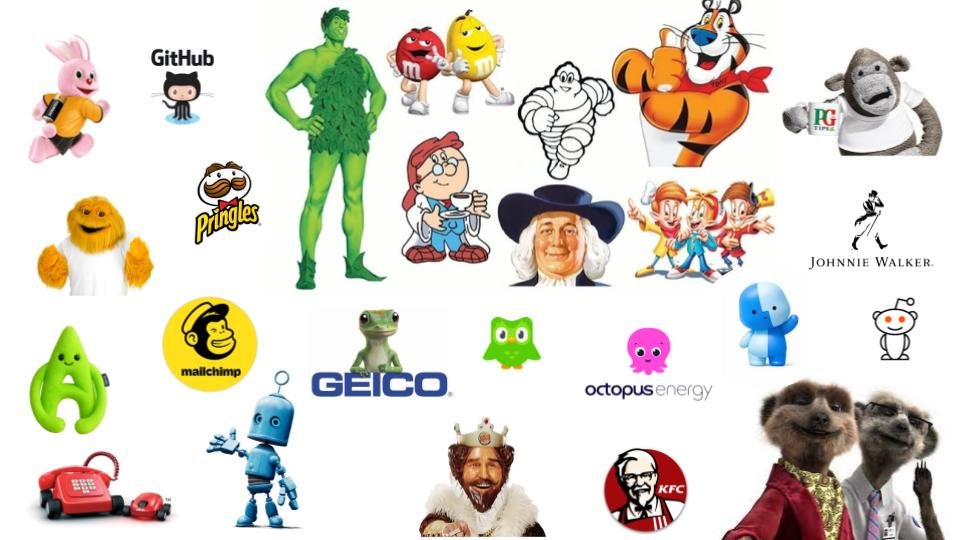
The GEICO Gecko helped put Geico top of mind in most U.S. homes.
The M&M’s characters have outlasted entire generations of advertising trends by being endlessly flexible, funny, self-aware, able to go anywhere.
Colonel Sanders isn’t just a founder story; he’s a character that KFC has reimagined repeatedly without ever losing the core.
The Duracell Bunny defined an entire product category through sheer persistence which, fittingly, is also the product benefit.
Duolingo’s Duo the owl, who has become one of the most effective brand characters of the social media era: cute, surprisingly passive-aggressive, but oddly loveable, and absolutely impossible to ignore.
Compare the Market’s Meerkats are arguably the gold standard of modern British (and global) brand characters. Meerkats Aleksandr and Sergei transformed a dreary price-comparison category into entertainment, and spawned a merchandise empire in the process.
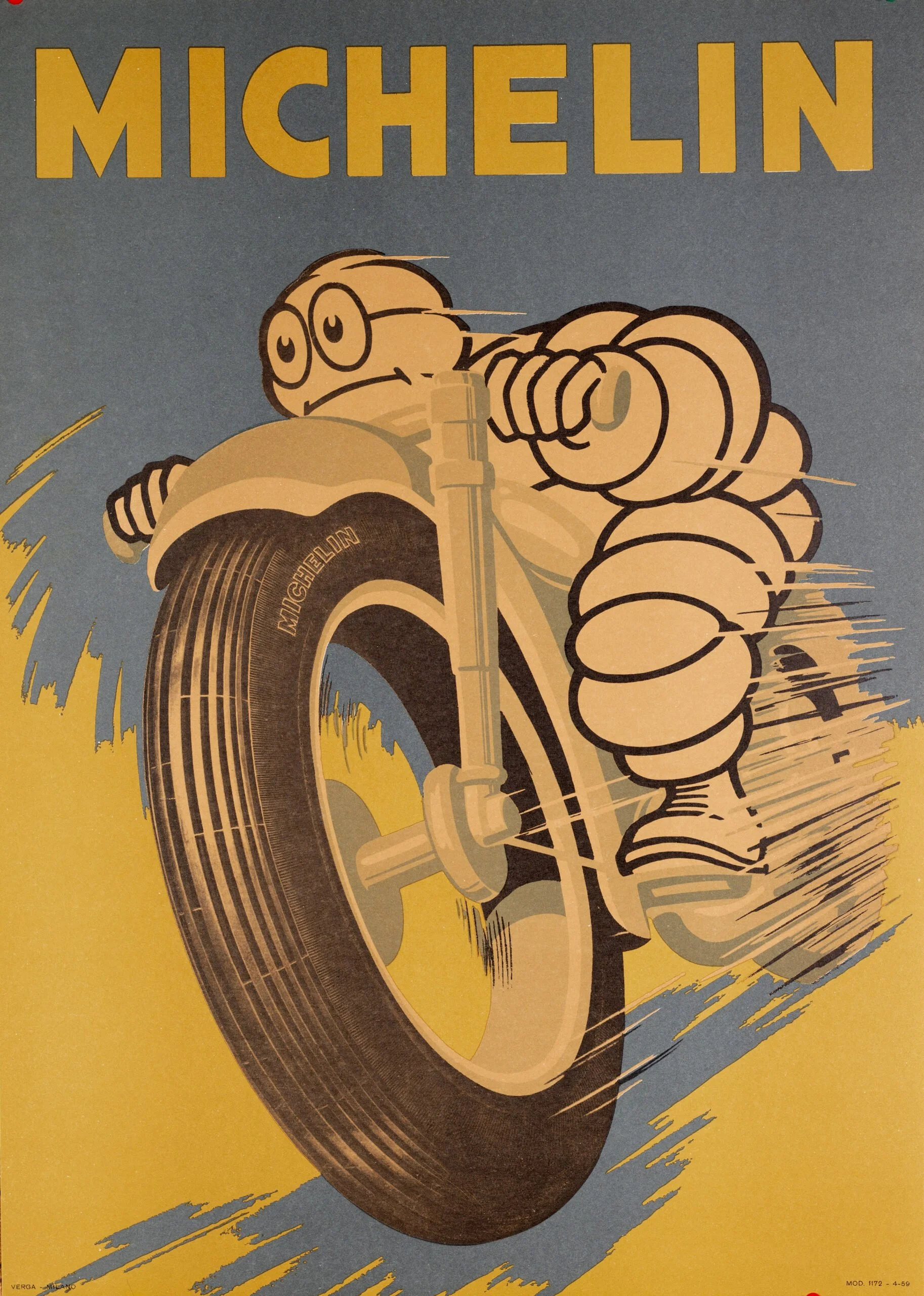
And then there’s original grand-daddy: The Michelin Man.
Or Bibendum, to give him his proper name, who has been Michelin’s mascot since 1898. He is the ultimate proof that brand mascots aren’t just a consumer marketing tool. If you work in B2B and think characters aren’t for you, Bibendum is your counter-argument. He made tires aspirational. If he can do that, your category has no excuse.
Your Buyers Are Human. Act Like It.
Mascots can work for B2B Brands. I recently led the strategy for creating Archi, the brand mascot for HiArc, a B2B company operating in medtech, one of the most conservative, specification-driven industries imaginable. The audience are mostly sciencey-engineer types. Not typically a demographic you’d associate with effusive emotional brand engagement.
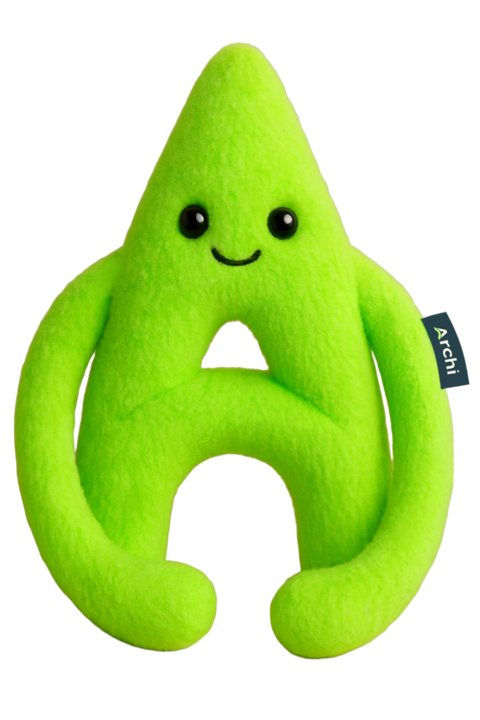
And yet. Archi has been wildly successful. Clients, employees and people who’ve simply encountered Archi at events have been taking his stuffed toy version with them on their travels, posting selfies from around the world. Tokyo. New York. A conference in Munich. A holiday in the Algarve. Unprompted. Unscripted. Pure affection.
Think about what it takes to make an engineer do that. To make someone in a world of technical specifications and procurement processes pick up a soft toy and carry it onto a plane, because they just… wanted to. That’s not marketing. That’s a character who has taken on a life of his own.
It’s also a quiet dismantling of the idea that B2B audiences are somehow immune to the kind of emotional connection that drives consumer brand loyalty. They’re not. They’re human. They just need to be given something worth caring about.
The Benefit Nobody’s Measuring: Mascots inside the company
Here’s what the research hasn’t properly caught up with yet: what mascots do inside a company.
They give people something to rally around. Not a PPT slide. Not a value statement or motivation decal on an office wall.
Mascots can be a tangible embodiment of the company’s values, that improves engagement, strengthens culture, and reduces turnover.
We watched employees carry Archi around the world and share it without being asked. That’s culture building.
But it’s not all plain sailing. Here’s some DON’T I have seen over the years.
What Brands Get Wrong
1. Be patient.
It takes two to three years for a mascot to properly wear in, to accumulate the emotional associations that drive real effectiveness. The Meerkats didn’t become a cultural institution overnight.
2. Make them cool.
Sounds obvious? Yes. But this is the hardest bit. Your mascot needs to be a character people actually want to spend time with. Someone they’d want to be seen with or wear on a hoodie. A character that makes them feel good. Genuinely appealing and fun.
3. Treat your mascot like a guest star, not a screensaver.
Do not plaster your mascot on every wall, every email footer, every internal presentation. If you do, they become wallpaper. Over-exposure kills the magic.
4. Make them real.
The moment a character exists in the real world, as a plush toy, a figurine, something you can actually hold, the emotional connection deepens. Archi as a stuffed toy being carried onto planes by engineers is proof of this. Fans 3D-printing Lil Finder Guy within days of his appearance is proof of this. People don’t queue for merch of things they merely like. Bring your character into the physical world and watch what happens.
5. Expect the unexpected
This is not marketing you can fully control. Interesting things will happen with a Brand Mascot. People appropriate them in ways you can’t always plan for. Go with it.
The Opportunity Is Wide Open
The industry spent the last decade chasing performance marketing. And quietly deleted everything that made brands memorable.
The use of characters in advertising has dropped sharply. Which means most of your competitors have abandoned the territory. The field is wide open.
Lil Finder Guy didn’t create a trend. He just reminded people of something that was always true: People remember characters. They feel something about them. They carry them onto planes.
Give your brand a face. Give it time. And watch what happens.